
Crab Reviews
How to Pick Live Crabs at Your Local Market
Jul
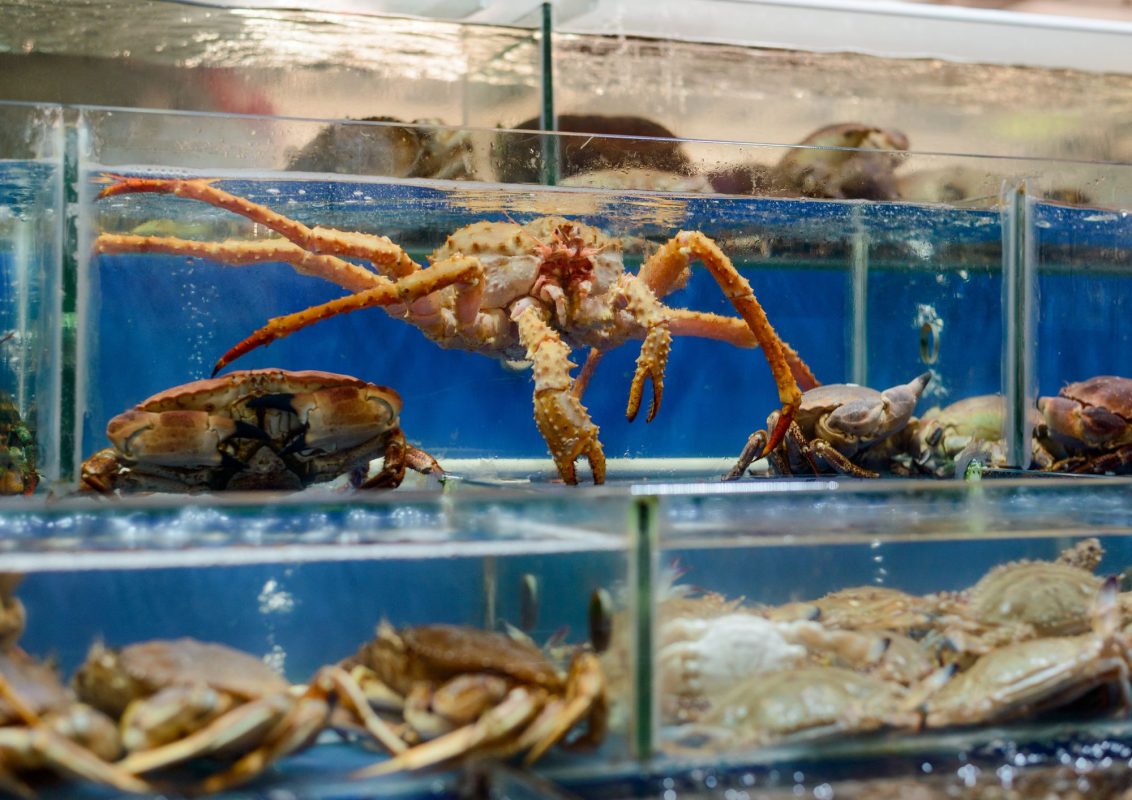
Crabs are a delicious and popular seafood choice for many dishes, from the popular chilli crab to crab omelette. However, selecting the right live crabs at the supermarket can be a bit daunting if you’re not familiar with what to look for. This guide will walk you through the process of picking live crabs to ensure you get the freshest, tastiest crabs for your next meal.
Understanding Different Types of Crabs
Before diving into the selection process, it’s important to know the different types of crabs commonly available at supermarkets:
- Mud Crabs
Characteristics: Mud crabs are perhaps the most popular crabs in Singapore, known for their robust size and sweet, succulent meat. They have a hard, dark green to muddy brown shell.
Popular Dishes: Chilli Crab, Black Pepper Crab
Availability: Year-round, with peak seasons during the wet months.
- Flower Crabs
Characteristics: Also known as blue swimmer crabs, flower crabs have a distinct blue and white patterned shell. They are smaller compared to mud crabs but are prized for their sweet and delicate meat.
Popular Dishes: Steamed Flower Crab, Flower Crab Soup
Availability: Year-round, commonly available in local wet markets and supermarkets.
- Dungeness Crabs
Characteristics: Dungeness crabs are larger crabs with a reddish-brown shell. They are known for their firm, slightly sweet meat, making them a favourite among seafood lovers.
Popular Dishes: Steamed Dungeness Crab, Dungeness Crab Salad
Availability: Often imported, usually available in high-end supermarkets and specialty seafood stores.
- King Crabs
Characteristics: King crabs are one of the largest crab species, with long legs and a spiky red shell. They are highly prized for their large, succulent leg meat.
Popular Dishes: Grilled King Crab Legs, King Crab Hot Pot
Availability: Mainly imported, available in premium seafood markets and some upscale restaurants.
- Snow Crabs
Characteristics: Snow crabs have long legs and a light brown shell. They are known for their tender, sweet meat and are often used in a variety of seafood dishes.
Popular Dishes: Snow Crab Legs with Butter, Snow Crab Sushi
Availability: Imported, commonly found in high-end supermarkets and seafood markets.
Characteristics: Sri Lankan crabs are similar to mud crabs but are typically larger and have a more intense flavour. They are a favourite in many Asian cuisines.
Popular Dishes: Spicy Sri Lankan Crab Curry, Chilli Crab, Black Pepper Crab
Availability: Frequently available in wet markets and seafood restaurants.

How to Select Live Crabs
When you’re ready to pick out your crabs, follow these steps to ensure you get the best quality:
- Check for Activity: Live crabs should be active and moving. Look for crabs that are lively and react quickly when touched or when the tank is disturbed. Lethargic crabs or those that don’t move at all may be near the end of their life and won’t be as fresh.
- Examine the Shell: The shell of a live crab should be hard and firm. Soft spots or cracked shells can indicate that the crab is not healthy. Also, avoid crabs with missing legs or claws, as this could be a sign of stress or poor handling.
- Weight and Fullness: Pick up the crab and feel its weight. A heavier crab usually indicates that it is full of meat, while a lighter crab may be less meaty. Additionally, press gently on the underside of the crab; a firm abdomen suggests a meatier crab.
- Check the Eyes: A crab’s eyes should be clear and shiny. Cloudy or sunken eyes can indicate that the crab is not fresh.
- Smell Test: Live crabs should not have a strong, fishy odour. A fresh crab will have a slight sea smell. If you notice a strong or foul odour, the crab may be past its prime.
- Size Matters: Depending on the dish you plan to prepare, size can be an important factor. Larger crabs typically yield more meat. However, smaller crabs can be sweeter and more tender. Choose the size that best fits your recipe and personal preference.
Handling and Storing Live Crabs
Once you’ve selected your crabs, proper handling and storage are crucial to maintain their freshness until you’re ready to cook them.
Transporting Crabs: If you’re not cooking the crabs immediately, keep them cool and moist during transport. Place them in a cooler with a damp cloth or paper towels over them. Avoid submerging them in water, as this can deplete their oxygen and kill them.
Storing at Home: Store live crabs in the refrigerator at a temperature between 32°F and 38°F. Keep them in a well-ventilated container, such as a cooler or a basket, and cover them with a damp cloth to maintain humidity. They can usually be kept alive for up to 24 hours if properly stored.
Avoid Freezing: Do not freeze live crabs. Freezing will kill them and negatively affect the texture and flavour of the meat.

Preparing Live Crabs
When you’re ready to cook your crabs, follow these steps for humane and safe preparation:
Humane Killing: Place the crabs in the freezer for 15-20 minutes to numb them before cooking. This is a humane way to put them to sleep before boiling or steaming.
Boiling: Bring a large pot of water to a boil and add salt and seasoning. Drop the crabs in one at a time, ensuring they are fully submerged. Boil for 10-20 minutes, depending on the size of the crabs, until they turn bright red.
Steaming: Fill a large pot with a couple of inches of water and add seasoning. Place a steaming rack inside the pot and bring the water to a boil. Add the crabs to the rack and cover the pot. Steam for 20-30 minutes until the crabs turn bright red.
Cleaning: Once cooked, let the crabs cool slightly. Remove the top shell and clean out the gills and internal organs. Rinse the crab under cold water before serving or further preparation.
Selecting live crabs at the supermarket might seem intimidating at first, but with these tips, you can ensure you’re getting the freshest, highest-quality crabs for your meals. With a little knowledge and preparation, you can enjoy delicious, fresh crabs at home.
Happy crab hunting and enjoy your seafood feast!
