Crab Reviews
Why Zi Char Feels Like Home: The Connection Between Food and Mum’s Cooking
Apr
There is something about zi char that feels familiar even before the first bite. The sound of the wok hitting high heat, the aroma of garlic and soy sauce filling the air, and the sight of dishes arriving one after another to the table. It is not just a meal. It is an experience that feels strangely close to home.
For many of us, zi char is more than just eating out. It carries memories of family dinners, shared laughter, and the comforting feeling of sitting around a table where food is meant to be passed around, not eaten alone. In many ways, zi char is the closest thing we have to recreating the feeling of mum’s cooking outside the home.
The Comfort of Familiar Flavours
Mum’s cooking is rarely about presentation. It is about taste, nourishment, and care. The same can be said for zi char. Dishes are often generous, flavourful, and made to satisfy a table full of people rather than a single plate.
When you think about dishes like sambal kangkong, sweet and sour pork, or claypot tofu, they are not overly complicated. They are straightforward, hearty, and deeply satisfying. These are the kinds of dishes that do not need explanation. You just eat them and feel good.
That simplicity is what connects zi char to home cooking. It is not trying to impress you with complexity. It is trying to feed you well.
The Wok as a Symbol of Care
In many households, especially in Asian families, the kitchen is often associated with one person: mum. She is the one who knows exactly how much seasoning to add without measuring, who adjusts heat based on instinct, and who somehow manages to cook multiple dishes at once without writing anything down.
Zi char chefs work in a surprisingly similar way. The wok becomes an extension of experience and instinct. Every dish is cooked quickly, often under pressure, but still carries consistency and heart.
When you watch a zi char stall during peak hours, there is a rhythm to it. Orders come in fast, flames rise high, and dishes leave the kitchen almost as quickly as they are made. It may look chaotic, but within that chaos is discipline and care. Much like home cooking during busy family dinners, everything is done with the intention of making sure everyone is fed and satisfied.
Shared Plates, Shared Memories
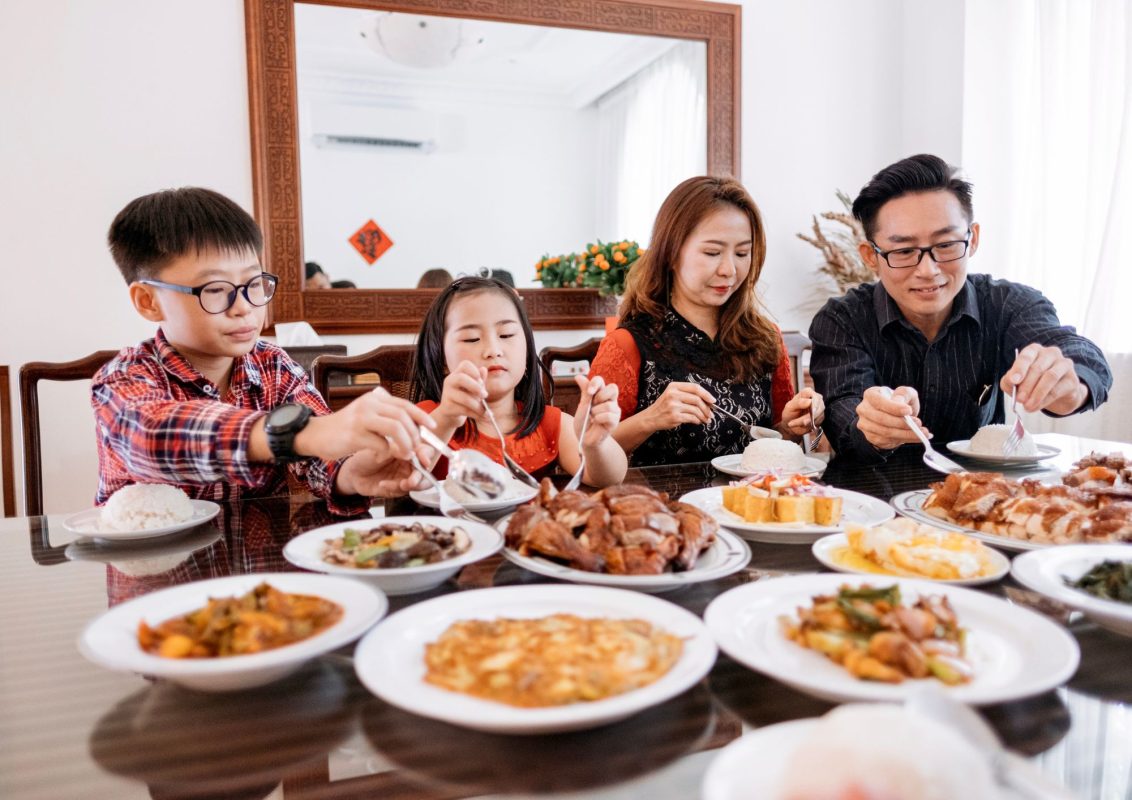
One of the most defining features of zi char dining is sharing. Unlike individual meals, zi char brings people together around a table filled with dishes meant for everyone.
This style of eating closely mirrors family life at home. At the dinner table, mum rarely cooks separate meals for each person. Instead, she prepares dishes that are shared, passed around, and enjoyed together.
That act of sharing food creates connection. You remember not just what you ate, but who you ate with. Conversations happen between bites. Laughter happens over passing dishes. Even disagreements somehow soften when food is involved.
Zi char captures this perfectly. It recreates that communal feeling where food is not just for eating but for bonding.
The Emotional Layer Behind Every Dish
Food is never just about taste. It is about memory. A simple plate of fried rice can remind you of childhood dinners. A bowl of soup can bring back memories of being cared for when you were sick. Even the smell of garlic frying in oil can feel like stepping back into a familiar kitchen.
Zi char taps into these emotional triggers without trying too hard. It does not need fancy plating or complicated storytelling. The familiarity of the dishes does the work.
When people eat zi char, they are often not just tasting the food. They are revisiting memories. It might be family dinners on weekends, celebrations during birthdays, or simple weekday meals where everyone finally sits down together after a long day.
In that sense, zi char is not just food. It is memory served hot on a plate.
Why Zi Char Feels Like Mum’s Cooking
There is a reason why many people describe zi char as “home food outside home.” It is because it carries the same values that mum’s cooking represents.
It is practical. It is generous. It is made with the intention of feeding others well. It is not about perfection. It is about care.
Mums often cook without needing recognition. They cook because they want their family to be full and happy. Zi char chefs, in their own way, do the same for every table they serve.
There is also a shared understanding of effort. Anyone who has cooked for a large family knows the pressure of timing, coordination, and taste consistency. Zi char kitchens operate under the same intensity, especially during peak hours. Yet the goal remains simple. Serve good food that brings people together.
The Modern Role of Zi Char in Family Life
In today’s fast paced lifestyle, not every family has the time to gather at home for home cooked meals. Work schedules are tight, routines are irregular, and cooking at home every day is not always practical.
Zi char fills that gap. It becomes the place where families reconnect over food without the stress of preparation or cleanup. It allows the essence of home dining to continue, even outside the home.
This is especially meaningful during occasions like Mother’s Day, when families come together to show appreciation. Instead of worrying about cooking, cleaning, or planning elaborate meals, zi char offers a simple solution. Sit down, share dishes, and focus on the people at the table.
Food That Feels Like Family
At its heart, zi char is not just about variety or affordability. It is about familiarity. It is about sitting down and immediately knowing that the food in front of you is meant to be shared, enjoyed, and remembered.
It carries the spirit of home cooking, even when it is prepared in a bustling commercial kitchen. That connection between zi char and mum’s cooking is what makes it so special. It bridges the gap between everyday meals and meaningful moments.
You may not always think about it while eating, but somewhere between the first bite and the last, there is a sense of comfort that feels a lot like home.
A Final Thought
Food has a powerful way of connecting people to memories, and zi char is one of the clearest examples of that connection. It reminds us of family dinners, of mums cooking with care, and of the simple joy of sharing a table with people we love.
This Mother’s Day, many families will look for ways to celebrate meaningfully without the stress of planning elaborate meals at home. A thoughtfully prepared spread can bring everyone together in the same way home cooking once did, creating space for conversation, appreciation, and connection.
For those looking to enjoy a complete dining experience with their loved ones, a specially curated mother’s day set menu can be a simple and meaningful way to celebrate the occasion while still keeping the spirit of shared family meals alive.
