
Crab Reviews
A Beginner’s Guide to Cooking Seafood at Home
Apr
Cooking seafood at home can feel like an intimidating venture for many beginners. With its unique textures, flavors, and cooking methods, seafood often feels like a dish best left to professional chefs or fancy restaurants. However, with the right guidance and a little practice, you’ll be able to prepare a variety of delicious seafood dishes right in your own kitchen.
Whether you’re starting from scratch or looking to improve your seafood cooking skills, this beginner’s guide will walk you through the essentials of choosing, preparing, and cooking seafood at home. From understanding different types of seafood to mastering basic cooking techniques, you’ll soon gain the confidence to cook seafood dishes your family and friends will love.
1. Understanding the Different Types of Seafood

Before diving into cooking, it’s essential to understand the different types of seafood available. Seafood can be divided into two main categories:
Fish
- Oily Fish: These fish are rich in omega-3 fatty acids, making them heart-healthy. Examples include salmon, mackerel, and sardines. They have a strong, distinct flavor and are great for grilling, broiling, or pan-frying.
- White Fish: These fish have a mild flavor and a delicate texture. Examples include cod, halibut, and tilapia. They are ideal for baking, poaching, or steaming.
- Shellfish: This category includes crustaceans (like shrimp, crabs, and lobsters) and mollusks (like clams, oysters, and mussels). Shellfish often requires a different cooking approach than fish, such as steaming, boiling, or sautéing.
Other Types of Seafood
- Squid and Octopus: These are mollusks that benefit from quick cooking methods like grilling or stir-frying. Overcooking them can lead to a rubbery texture, so it’s important to cook them just right.
- Scallops and Clams: These mollusks are sweet, tender, and delicate, requiring quick searing or steaming.
Knowing your seafood options is key to determining the best cooking methods. Whether you’re looking for a leaner, mild fish or a rich, flavorful oily fish, each type has its own unique characteristics.
2. Selecting Fresh Seafood
When it comes to seafood, freshness is key. Fresh seafood tastes better, cooks more evenly, and has a better texture. Here are some tips for selecting fresh seafood:
- Fish: Fresh fish should have clear, bright eyes and firm, shiny flesh. The gills should be bright red, and the flesh should spring back when pressed. If buying whole fish, look for clean, shiny scales and a fresh ocean scent.
- Shellfish: Shellfish should be alive when purchased. Clams, mussels, and oysters should be tightly closed. If any shells are open, tap them lightly—if they don’t close, discard them. Lobsters and crabs should be active and lively, while shrimp should have a translucent, firm appearance.
- Frozen Seafood: If you’re buying frozen seafood, ensure it’s properly stored and hasn’t been thawed and refrozen. The packaging should be intact, and the seafood should be solidly frozen without any freezer burn.
3. Essential Cooking Tools for Seafood

While you don’t need an entire kitchen full of gadgets to cook seafood, there are a few essential tools that will make the process smoother:
- Fish Spatula: This wide, flat spatula is perfect for flipping delicate fish fillets without breaking them.
- Fish Poacher or Steamer: If you’re poaching or steaming fish or shellfish, a fish poacher or steamer basket makes the process easier and more efficient.
- Sharp Knives: A good-quality, sharp knife is essential for filleting fish, removing shells from crustaceans, or preparing squid and octopus.
- Instant-Read Thermometer: Seafood, particularly fish, can overcook quickly. An instant-read thermometer helps you check the internal temperature to ensure it’s cooked perfectly every time. For most fish, the ideal temperature is 145°F (63°C).
4. Basic Cooking Methods for Seafood

Once you have your seafood and tools ready, it’s time to learn some basic cooking techniques. Below are common methods used to prepare seafood:
Grilling
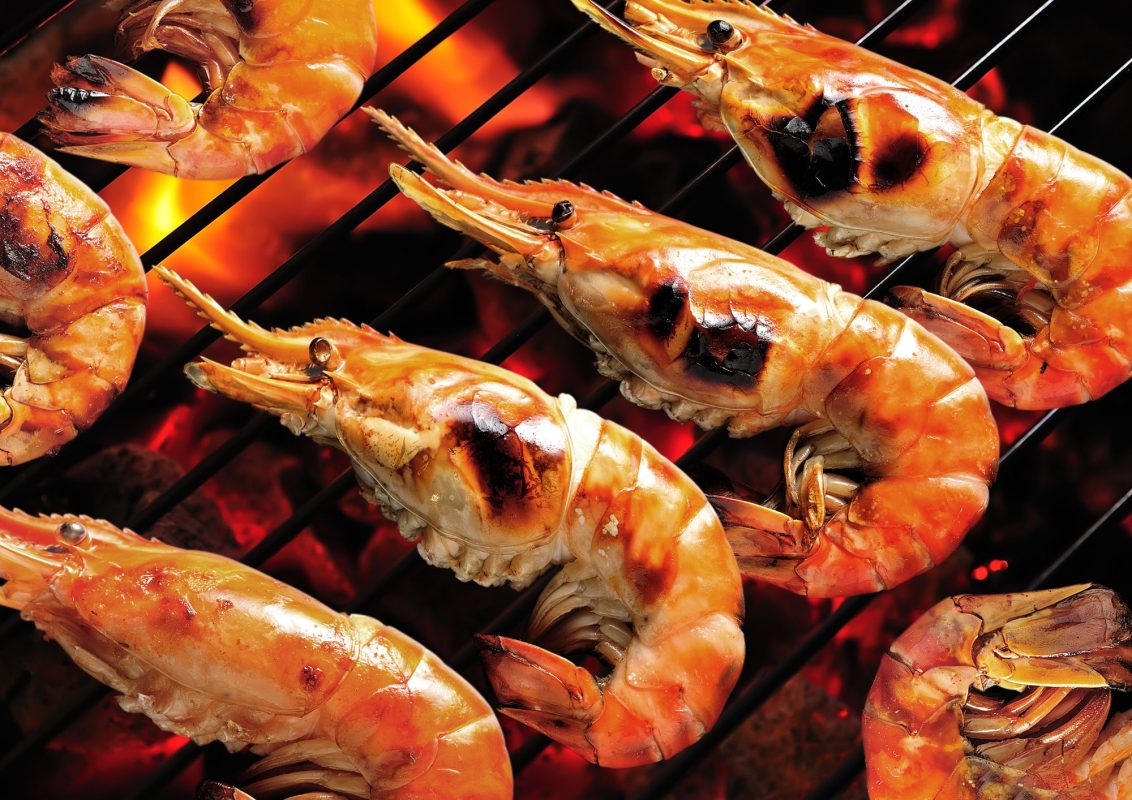
Grilling is perfect for oily fish like salmon or mackerel, as it brings out their natural flavors. Brush the fish with oil to prevent sticking and season with salt, pepper, and your choice of herbs. For shellfish like shrimp, crab, or lobster, grilling imparts a smoky flavor that’s hard to beat.
- Tip: Preheat your grill and oil the grill grates to avoid sticking. For delicate fish, consider grilling on a plank or in foil to prevent the fish from falling apart.
Pan-Seared
Pan-searing is a quick and simple method for cooking fish like cod, halibut, or scallops. It allows the fish to develop a crisp, golden crust while keeping the inside moist and tender. Use a heavy-bottomed pan and heat it over medium-high heat with a little oil.
- Tip: Don’t overcrowd the pan. Give each piece of seafood enough space to cook evenly.
Baking
Baking is a great method for cooking whole fish or thicker fillets like halibut or cod. Simply season your fish with herbs, lemon, and olive oil, and bake it in a preheated oven at around 375°F (190°C) until it flakes easily with a fork.
- Tip: Wrap fish fillets in parchment paper or foil for a steam effect, which helps retain moisture.
Steaming
Steaming is a gentle cooking method that retains the natural flavors of seafood, making it ideal for delicate shellfish like mussels, clams, or shrimp. You can steam fish in a dedicated steamer or use a steamer basket on the stove.
- Tip: Add aromatic herbs, garlic, and lemon to the water for extra flavor.
Poaching
Poaching involves cooking seafood gently in liquid, usually water, broth, or wine. This method is perfect for flaky fish or shellfish like lobster tails. The seafood is cooked slowly and evenly, keeping it moist and tender.
- Tip: Poach at a low temperature (around 160°F or 70°C) to avoid toughening the seafood.
Sautéing
Sautéing is ideal for cooking shrimp, scallops, or small pieces of fish. Heat a small amount of oil in a pan over medium-high heat and cook the seafood until it’s golden brown and cooked through. This method is quick and perfect for weeknight meals.
- Tip: Keep the heat high to sear the seafood quickly without overcooking.
5. Seasoning Seafood
Seafood can be delicately flavored, and over-seasoning can overpower its natural taste. Here are some seasoning ideas to enhance your dishes:
- Simple Seasonings: Salt, black pepper, and fresh lemon are all you need for a classic, flavorful finish.
- Herbs: Dill, parsley, thyme, basil, and tarragon pair beautifully with seafood.
- Spices: Garlic, paprika, cumin, and saffron can add depth and warmth to seafood dishes.
- Sauces: Consider preparing simple seafood sauces like a lemon butter sauce, garlic and herb sauce, or a tangy cocktail sauce for shrimp.
6. Common Mistakes to Avoid
- Overcooking: Seafood cooks quickly, so be mindful of cooking times. Fish should flake easily with a fork when done, and shrimp should be pink and firm but not rubbery.
- Not Using Fresh Ingredients: Always use fresh seafood when possible. Frozen seafood can be a good alternative, but ensure it’s properly thawed before cooking.
- Over-seasoning: Let the natural flavors of the seafood shine. Avoid overwhelming it with too many spices or heavy sauces.
Cooking seafood at home may seem daunting at first, but with the right techniques and a bit of practice, you can create flavorful and impressive dishes in no time. From selecting fresh seafood to mastering different cooking methods, the key is to start simple and gradually experiment with different recipes and flavors.
If you’re not looking to cook and want to opt for a seafood delivery, Kai Xin Crabs delivery would be a great option. Fuss-free, delivered, fresh seafood for weekend feasts!
