Crab Reviews
The History of the Chinese New Year Reunion Dinner
Feb
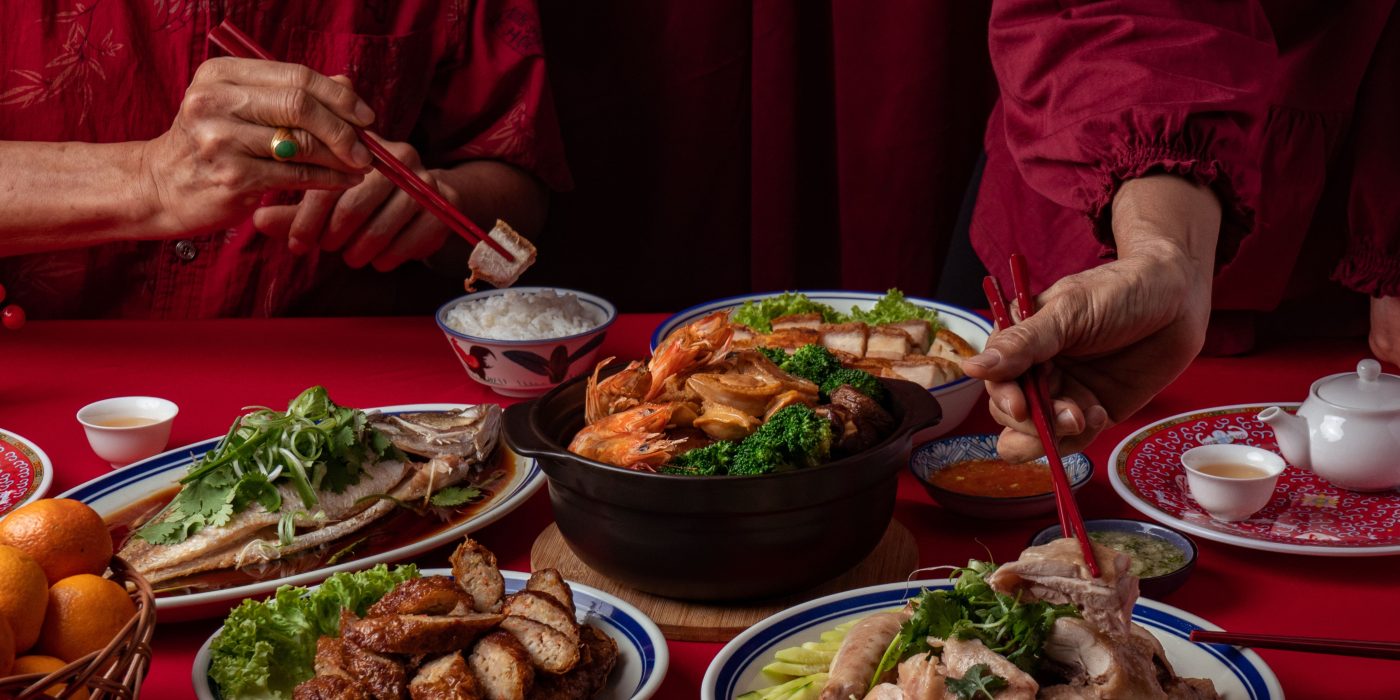
The Chinese New Year reunion dinner, or nian ye fan, is one of the most important meals in Chinese culture. It is a time when families, often scattered across cities or even countries, gather to celebrate the passing year and welcome the new one. While today it may be associated with sumptuous spreads, seafood delicacies, and festive banquets, the origins of the reunion dinner trace back centuries and are deeply rooted in Chinese traditions, family values, and cultural symbolism.
Origins of the Reunion Dinner
The practice of gathering for a meal on Lunar New Year’s Eve has its roots in ancient agrarian society. Families would come together after the harvest season to honor ancestors, share the bounty of the year, and pray for prosperity and good fortune. The meal was seen as an opportunity to strengthen family bonds and demonstrate filial piety, a core Confucian value. It was believed that eating together as a family ensured unity, happiness, and continuity for generations to come.
Historically, the reunion dinner was also tied to religious and spiritual customs. Families would prepare offerings for the gods and ancestors, and the meal itself was considered a form of blessing. Certain foods were chosen not just for taste but for their symbolic meanings. For instance, fish was served because the word for fish, yu, sounds like the word for surplus, symbolizing abundance. Glutinous rice cakes, known as nian gao, were enjoyed because their name suggests progress and growth in the coming year.
Traditional Dishes and Their Meanings
Over time, a rich tapestry of symbolic dishes became central to the reunion dinner. Ingredients and recipes were carefully selected to represent good fortune, wealth, longevity, and happiness. Here are some of the most iconic dishes traditionally found on the reunion dinner table:
- Fish (Yu): Symbolizes surplus and abundance, often served whole to represent completeness.
- Dumplings (Jiaozi): Shaped like ancient Chinese silver ingots, they represent wealth and prosperity.
- Spring Rolls: Represent wealth because their golden cylindrical shape resembles gold bars.
- Longevity Noodles (Changshou Mian): Long noodles eaten without cutting symbolize a long life.
- Glutinous Rice Cakes (Nian Gao): Represent growth, success, and upward mobility.
- Vegetables and Greens: Often symbolize wealth and renewal.
Seafood, in particular, has gained prominence in reunion dinners due to its symbolism of prosperity and luck. Today, delicacies such as crabs, prawns, abalone, and lobster are highly sought after for festive feasts. Among these, crabs are especially popular because their rich, sweet meat and luxurious appearance make them a symbol of abundance and celebration.
Evolution of the Reunion Dinner
While the reunion dinner started as a modest family gathering, it has evolved significantly with modern lifestyles. In the past, families often had to prepare the meal from scratch, spending days buying ingredients, cleaning, and cooking. Today, many households combine traditional home cooking with modern conveniences, such as ordering premium ingredients or ready-to-eat festive dishes online. This evolution has made it easier for families to maintain the reunion dinner tradition despite busy schedules or living far apart.
In contemporary Singapore, Malaysia, and other parts of Southeast Asia, seafood deliveries and pre-prepared festive hampers have become popular. Ordering luxurious ingredients online ensures that families can enjoy a complete festive spread without compromising on quality.
Cultural Significance Today
The reunion dinner remains more than just a meal; it is a symbol of family unity, love, and respect. No matter how far family members may be, this meal is a time for connection, reflection, and celebration. It represents a pause in the busy routines of life, allowing everyone to come together, share stories, and strengthen bonds. Even as families adapt to modern lifestyles, the core values behind the reunion dinner, gratitude, togetherness, and hope, remain unchanged.
The symbolic meanings of the dishes served at the reunion dinner continue to influence menu choices. Many households prioritize seafood and other luxury ingredients as a way of showing respect and wishing prosperity for the family in the coming year. Ingredients such as crabs, lobsters, and abalone are often the highlights of the table, signifying success, wealth, and celebration.
Modern Adaptations
With globalization and culinary innovation, the reunion dinner is evolving beyond traditional recipes. Chefs and home cooks alike experiment with fusion dishes, incorporating modern flavours while maintaining cultural symbolism. For instance, crabs can be served with creative sauces or in Western-style preparations, while traditional Chinese desserts are sometimes presented with a contemporary twist.
Technology has also transformed the way families prepare and enjoy the reunion dinner. Online seafood delivery services, festive hampers, and even meal kits allow families to maintain the spirit of the celebration with less hassle. This modern approach ensures that even busy professionals or expatriates can participate in the meaningful tradition of coming together for Lunar New Year’s Eve.
The Chinese New Year reunion dinner is a timeless tradition that embodies family, gratitude, and celebration. From humble beginnings in agrarian society to the modern, luxurious feasts of today, it remains a meaningful occasion that connects generations. Every dish on the table carries significance, reflecting wishes for prosperity, health, and happiness in the year ahead.
For families looking to elevate their reunion dinner this year, incorporating fresh seafood like crabs can make the celebration even more memorable. Services like Kai Xin Crab Delivery allow you to enjoy premium CNY reunion dinner sets delivered straight to your home, making it easy to prepare a festive feast that everyone will remember.
Whether you are cooking traditional dishes, trying modern variations, or ordering premium ingredients online, the essence of the reunion dinner remains the same: coming together with family, sharing a meal, and creating memories that will last a lifetime.
